Fort Lauderdale and Broward County
Mold Remediation Fort Lauderdale, FL
Alpha Water provides mold remediation Fort Lauderdale homes, condos and businesses call on when growth goes beyond a small patch. We contain the area, remove affected materials, clean with HEPA filtration and help fix the moisture that caused it, so the problem is less likely to come back.
- Containment and HEPA air filtration
- Removal of damaged drywall and materials
- Moisture source correction
- Repairs after removal
Already have an assessor’s report? Keep it handy when you call so we can review the scope with you.
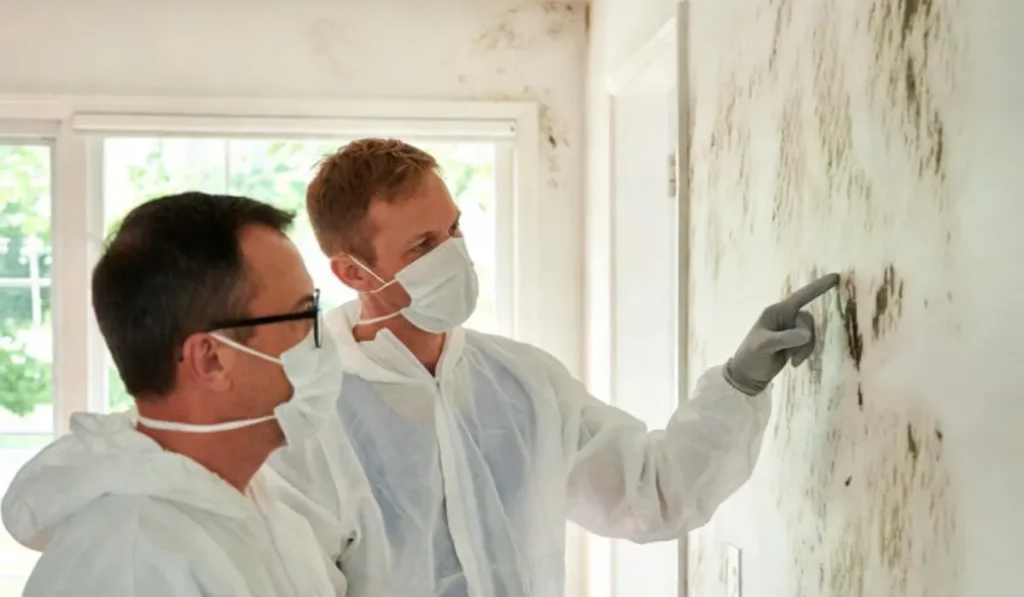
Containment first
Work areas sealed before materials come out
HEPA filtered air
Air filtration and HEPA vacuums during removal
Moisture addressed
The leak or humidity source is part of the plan
Documented work
Photos and notes before, during and after
Scope of work
What Does Mold Remediation Include?
Mold remediation is the controlled removal of growth and the materials it has damaged, followed by cleaning and moisture correction. It is different from a mold assessment, which is the inspection and sampling that defines how much growth is present and where. When you compare providers of mold remediation Fort Lauderdale property owners should know which is which, so the right professional handles each step.
What we do
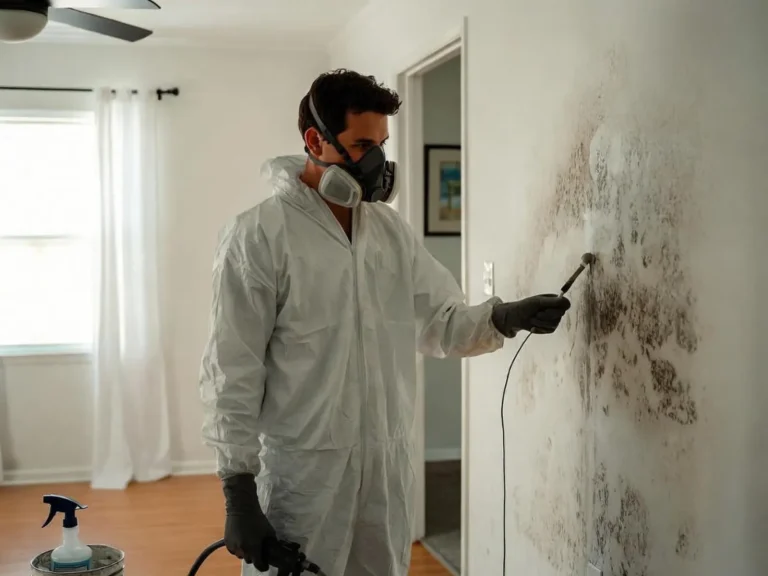
Set up containment and air filtration, remove and bag contaminated drywall, insulation, carpet and trim, HEPA vacuum and clean framing and surfaces, dry the area and repair what was removed.
What we do not do
Testing or a formal assessment on a property we remediate. For that, we recommend a licensed, independent assessor. We also do not give medical advice or promise health outcomes.
Signs to watch for
Signs of a Mold Problem and When to Call a Professional
A musty smell that will not go away, spotting on walls or ceilings, or water stains that return are the most common signs. Growth often hides where you cannot see it, such as behind drywall, under flooring or around an air handler.
- A persistent musty odor in one room or closet
- Dark spotting on drywall, baseboards, ceilings or grout
- Bubbling paint, warped trim or soft drywall near a past leak
- Growth on or around the AC air handler, vents or the closet that houses them
- Water stains that reappear after painting
Small patch or bigger job?
The EPA says homeowners can often clean an area smaller than about 10 square feet themselves. Florida’s licensing law also uses 10 square feet as its line. Call a professional when growth is larger, keeps returning, followed sewage or contaminated water, or sits inside walls or the HVAC system. The EPA also advises not running an HVAC system you suspect is contaminated. See the EPA moisture guide.
Local causes
What Causes Mold in Fort Lauderdale Properties?
Mold needs moisture, so every remediation job starts with finding where the water comes from. In Fort Lauderdale the usual sources are air conditioning condensate, roof and window leaks, plumbing inside walls and indoor humidity. Every building is different, so we look at yours rather than assume.
AC condensate and air handlers
Air conditioning runs most of the year here. A clogged drain line or full pan keeps the closet floor, wall and ceiling wet, and air handler closets are a common place to find growth.
Roof leaks after storms
Heavy rain and wind driven water find gaps at roofs, windows and stucco. A slow leak into an attic or wall can go unnoticed until stains or odor appear.
Plumbing leaks inside walls
Supply lines, drains and shower valves can leak behind tile and drywall for weeks, keeping materials wet long enough for growth to start.
Indoor humidity
The EPA recommends keeping indoor humidity below 60 percent, ideally 30 to 50 percent. Long periods with the AC off, such as an empty seasonal home, can push it higher.
Water damage that dried too slowly
The EPA advises drying water damaged areas within 24 to 48 hours. When drying is late or incomplete, growth can follow. Our water damage restoration service covers extraction and drying.
Condos and shared walls
In condo and apartment buildings, a leak in one unit can feed growth in the next. The association documents usually decide who handles which repairs.
Not Sure How Big the Problem Is?
Tell us where you see spotting or notice a musty smell, how large the area looks and whether there was a recent leak. We will explain whether you likely need an assessment first.
How it works
Our Mold Remediation Process, Step by Step
Each Fort Lauderdale mold remediation project follows the same principle: contain, remove, clean, dry, verify. The exact steps and timeline depend on the size of the area, the materials involved and what is causing the moisture.
- Review the scope. We review the assessor’s report if you have one, walk the affected area and agree on what will be removed.
- Protect and contain. Plastic barriers, sealed openings and HEPA filtered air keep spores from spreading to clean rooms.
- Remove affected materials. Contaminated drywall, insulation, carpet and trim are cut out, bagged and taken away.
- Clean remaining surfaces. Framing and hard surfaces are HEPA vacuumed and wiped down; growth is removed, not just sprayed.
- Correct moisture and dry. The leak or humidity source is addressed and materials are dried and checked with moisture readings.
- Document and verify. You receive photos and notes of the work, and an independent assessor can perform post remediation verification.
- Repair and restore. Once the area passes, drywall, trim and finishes are put back.
Florida rules
Why an Independent Mold Assessor Matters in Florida
Florida generally does not allow the same company to both assess and remediate the same structure within 12 months. Under Florida Statutes 468.8419, an assessor or the assessor’s company may not remediate a structure it assessed in the last 12 months, and a remediator or its company may not assess a structure it remediated in the last 12 months. The law includes an exception for certain Division I certified contractors.
That is why Alpha Water focuses on remediation and recommends an independent, licensed assessor for testing and for post remediation verification. The assessor defines the scope and later confirms the work met it, and neither side is checking its own work.
Who we help
Residential and Commercial Mold Remediation
Alpha Water handles residential and commercial mold remediation across Fort Lauderdale. The method is the same; the planning around occupants, access and documentation changes with the property.
Homes
Bathrooms, AC closets, kitchens, attics and walls behind showers are the most common areas we treat in houses.
Condos and HOAs
We work with owners, managers and associations, documenting each unit so everyone can see the scope and the result.
Rental properties
Property managers need clear records of affected areas, work performed and dates for owners, tenants and insurers.
Commercial spaces
Offices, shops and restaurants need containment planned around access, schedules and other occupants.
Black mold
Black Mold Removal: What You Should Know
Mold that looks black is removed the same way as any other growth: contained, cut out or cleaned, and the moisture fixed. Color alone does not tell you the species, and the CDC says that no matter what type is present, it should be removed. Testing to name the species is usually not needed when growth is visible.
If anyone in the home has asthma, allergies or a weakened immune system, talk with a doctor about health questions. We focus on removing the growth and the moisture behind it.
Service area
Mold Remediation Across Fort Lauderdale and Broward County
Alpha Water serves property owners throughout Fort Lauderdale and nearby Broward County communities. These are some of the neighborhoods we work in. Call with your address and we will confirm coverage.
Downtown and Flagler Village
High rise and mid rise buildings where leaks between units can spread moisture across floors.
Las Olas and Rio Vista
Waterfront homes and condos where storms, roofs and AC systems all bring moisture in.
Victoria Park and Colee Hammock
Leafy streets close to downtown, where we often see growth in bathrooms, AC closets and walls near old leaks.
Coral Ridge
Homes and condos north of downtown, from canal front houses to larger buildings.
Cost and insurance
How Much Does Mold Remediation Cost?
The cost of mold remediation Fort Lauderdale jobs depends on the size of the affected area, the materials that must be removed, access and containment needs, and the repairs that follow. You will know the scope and the price before any work begins.
- Size and location. A bathroom wall costs less than an attic or several rooms; work inside HVAC closets or ceilings needs more setup.
- Materials. Drywall, insulation and carpet are usually removed; framing and hard surfaces can often be cleaned.
- Moisture source. Leak repair or drying adds to the job but prevents paying for remediation twice.
- Assessment and verification. The independent assessor bills separately for testing and post remediation verification.
- Insurance. Many property policies limit or exclude mold unless it results from a covered water loss, so check your policy. In Florida, notice of an initial property claim is due within one year after the date of loss.
What Customers Have Said
Questions
Mold Remediation FAQs
Talk to Us About Mold Remediation in Fort Lauderdale
Tell us where you see it, roughly how big the area looks, what caused the moisture and whether you already have an assessment report. We will explain the next step.
Growth after a leak or flood? Start with our water damage restoration in Fort Lauderdale.